Presented by the Distilled Spirits Council of the United States
Presented by the Distilled Spirits Council of the United States
Long before the United States became a nation, taverns and distilleries played essential roles in colonial life. Distilleries produced spirits that supported local farms and commerce, and taverns served as places where people exchanged ideas and built community. Over the centuries, the spirits industry has stayed deeply intertwined into the cultural and economic fabric of our nation's heritage.
As America marks 250 years, Spirit Forward highlights the enduring role of spirits in our national story — not only where it began, but its dynamic future ahead.

George Washington
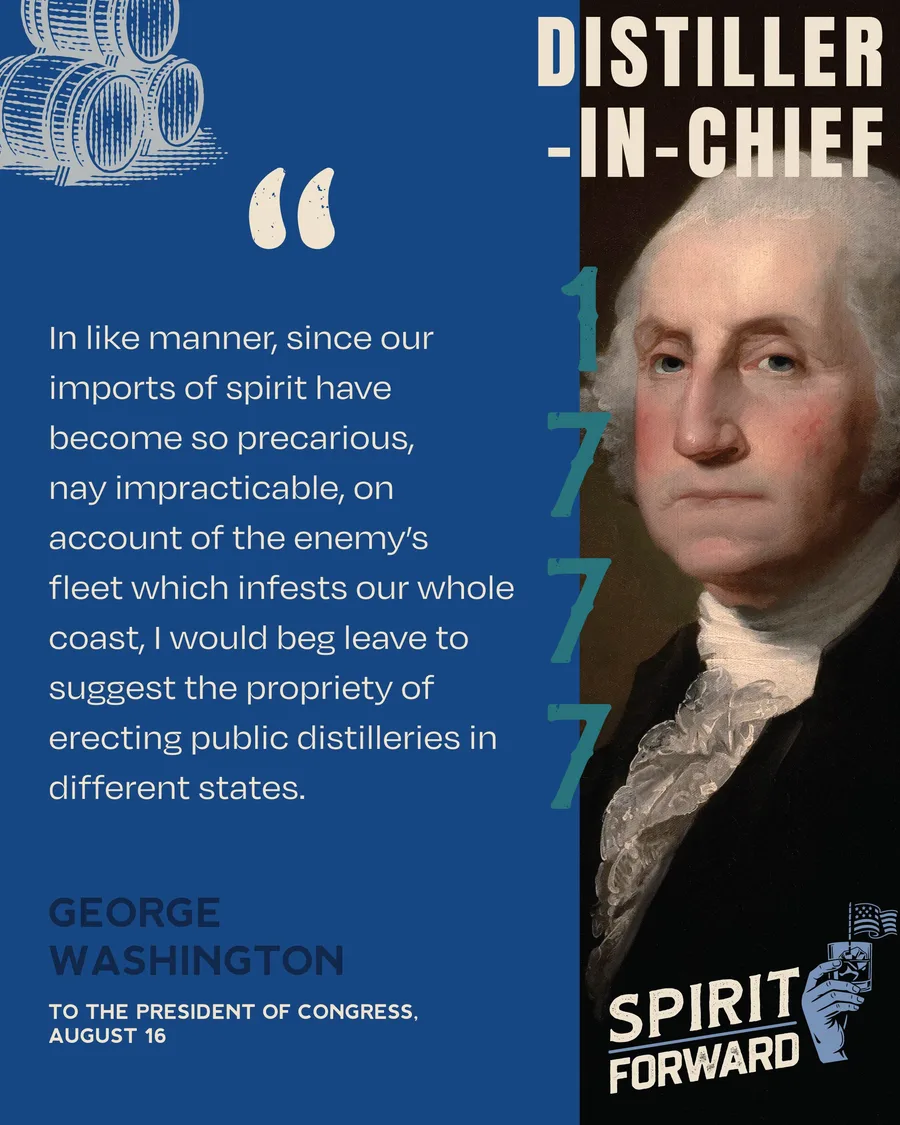
America's first president was also one of its most successful distillers. At Mount Vernon, George Washington built and operated the largest distillery in our young nation. Producing nearly 11,000 gallons of rye whiskey in 1799 alone, he created a highly profitable enterprise that supported local agriculture and commerce.
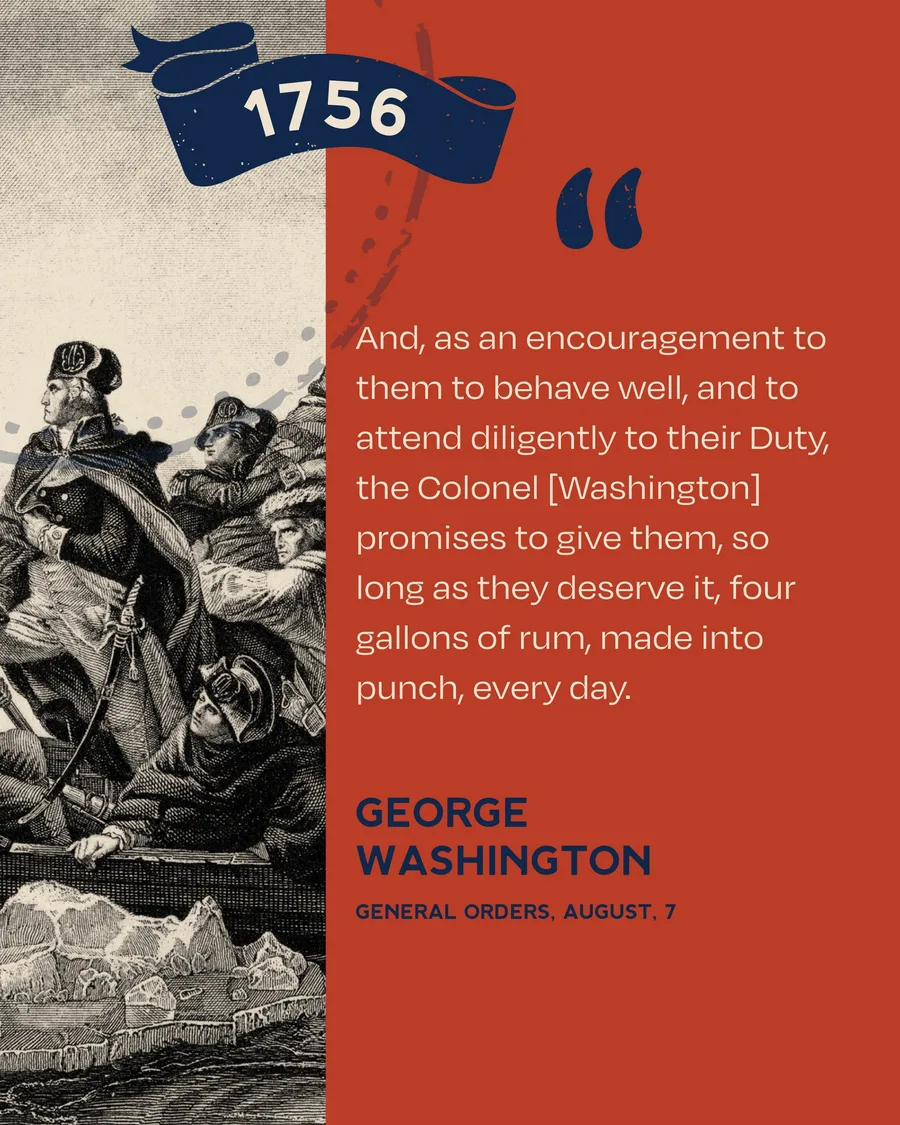
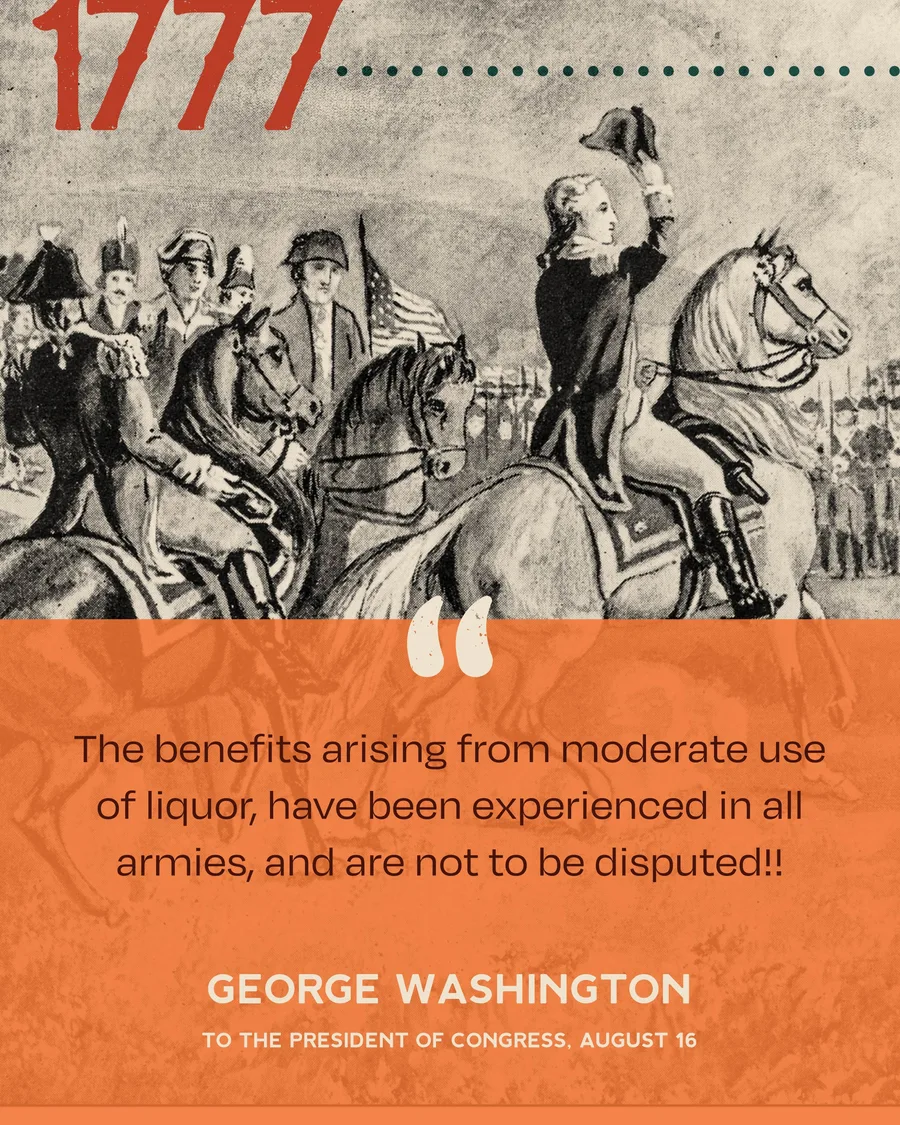
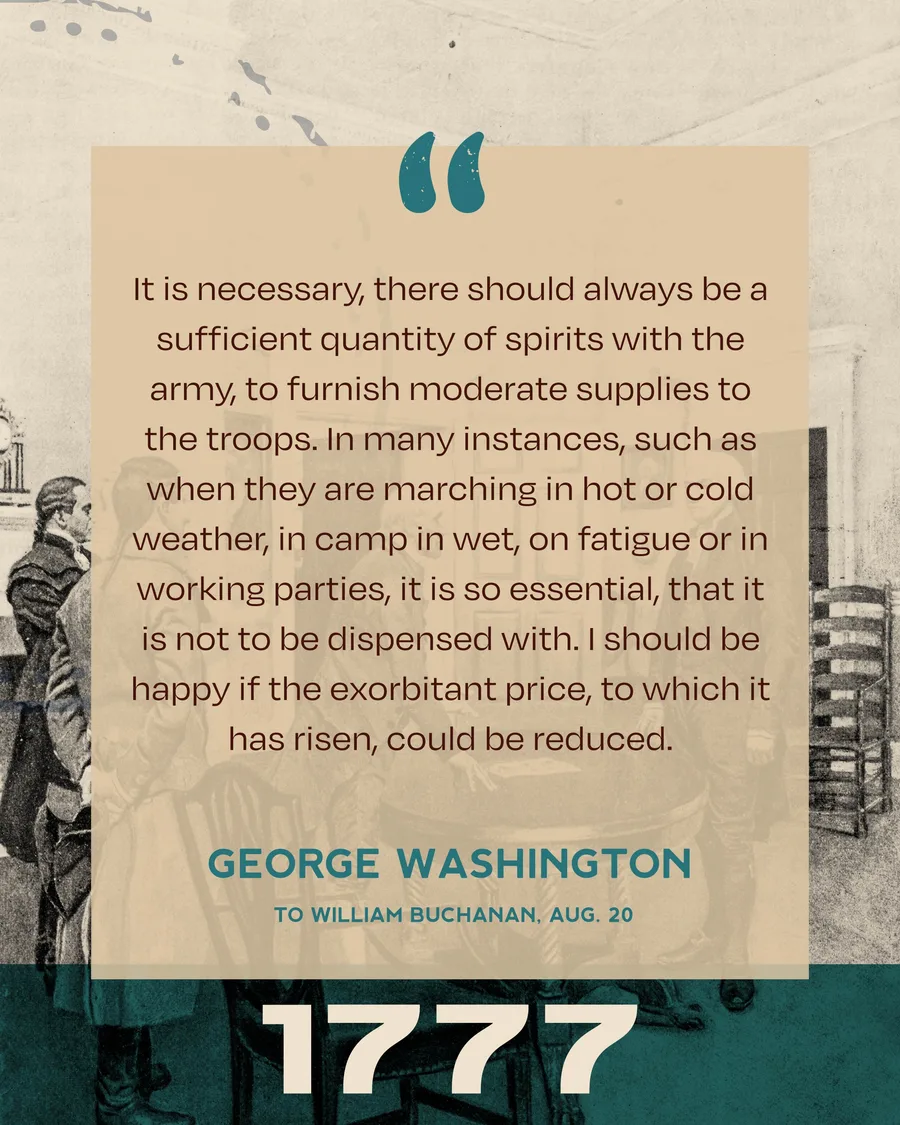
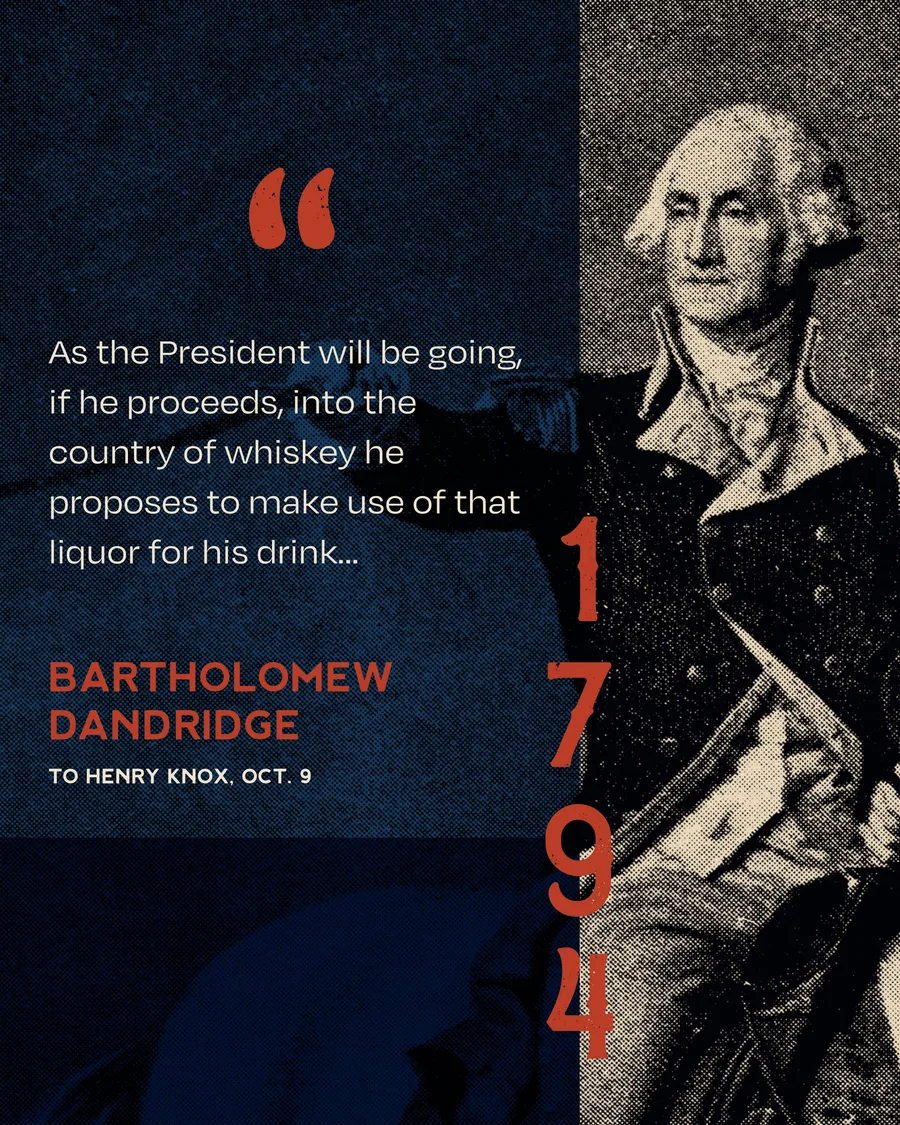
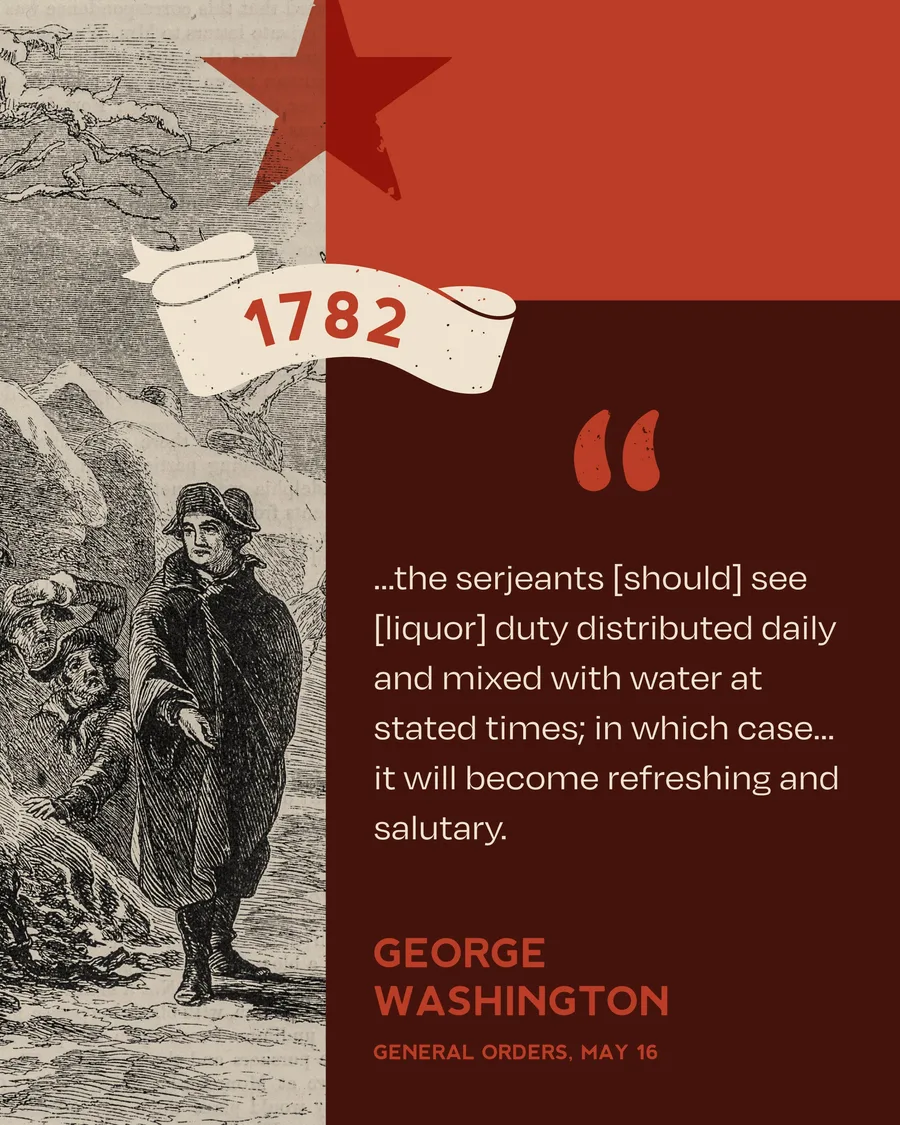
Washington valued distilled spirits for their social and economic role, while consistently emphasizing moderation. Among his many quotes on distilled spirits, he wrote of the "benefits arising from moderate use of liquor," believing spirits, when responsibly enjoyed, could be "refreshing and salutary." Just prior to his death in 1799, Washington wrote to his nephew discussing the success of his distillery operation, urging him to collect his whiskey promptly and assist in securing additional grain, noting that the "demand is brisk." This rare correspondence is among the few surviving documents in which Washington directly addressed his distilling business.
Beginning in 2000, with a $2.1 million grant from the Distilled Spirits Council and the Wine & Spirits Wholesalers of America, Mount Vernon began the excavation and restoration of the distillery. Today, visitors can explore George Washington's Distillery at Mount Vernon, where whiskey is produced using authentic 18th‑century distilling techniques, carrying forward his legacy as a distiller and the nation's spirit of enterprise.
Historic Recipes
The spirits story is a legacy of connection, camaraderie and tradition. These historic recipes offer a small window into the tastes and shared experiences that have helped define American conviviality across generations.
More than drinks, these recipes are reminders that history was often shaped not only in halls and homes, but around shared tables and raised glasses.
America's distilling past, present and future are not just things to read about, they're something you can experience right now. From historic sites to modern, state-of-the-art facilities, the story continues in communities all across the country.
Explore
Through Destination Distillery, discover the places helping to bring America's spirits story to life every day.
Timeline
Scroll to Journey Through Spirits History ↓
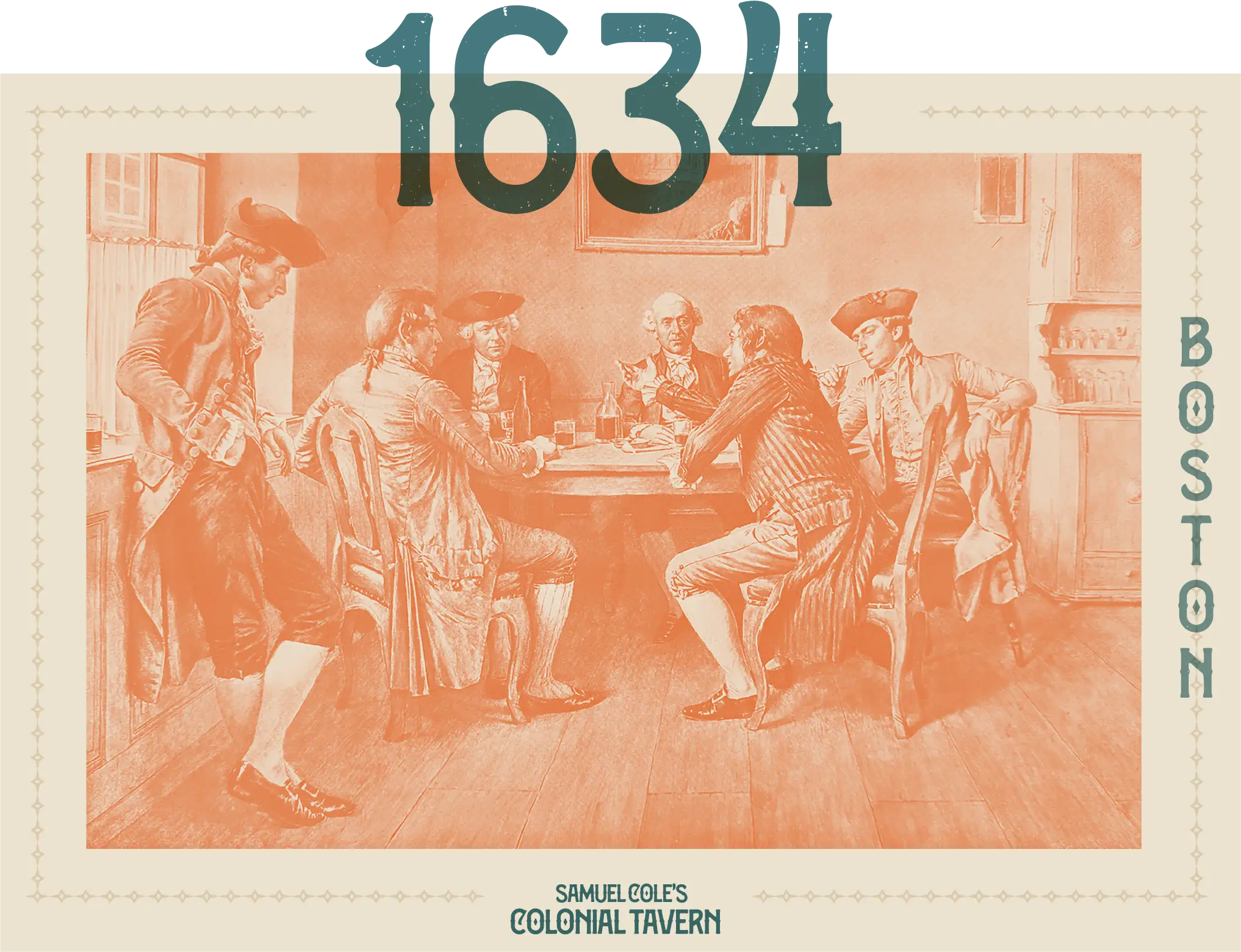
Samuel Cole's Boston establishment marked the birth of the colonial tavern, that quickly became essential enough for Massachusetts to require every town to maintain one. Far more than drinking houses, taverns served as community hubs offering food, lodging and entertainment, while doubling as vital civic spaces for meetings, courts and lively public debate.
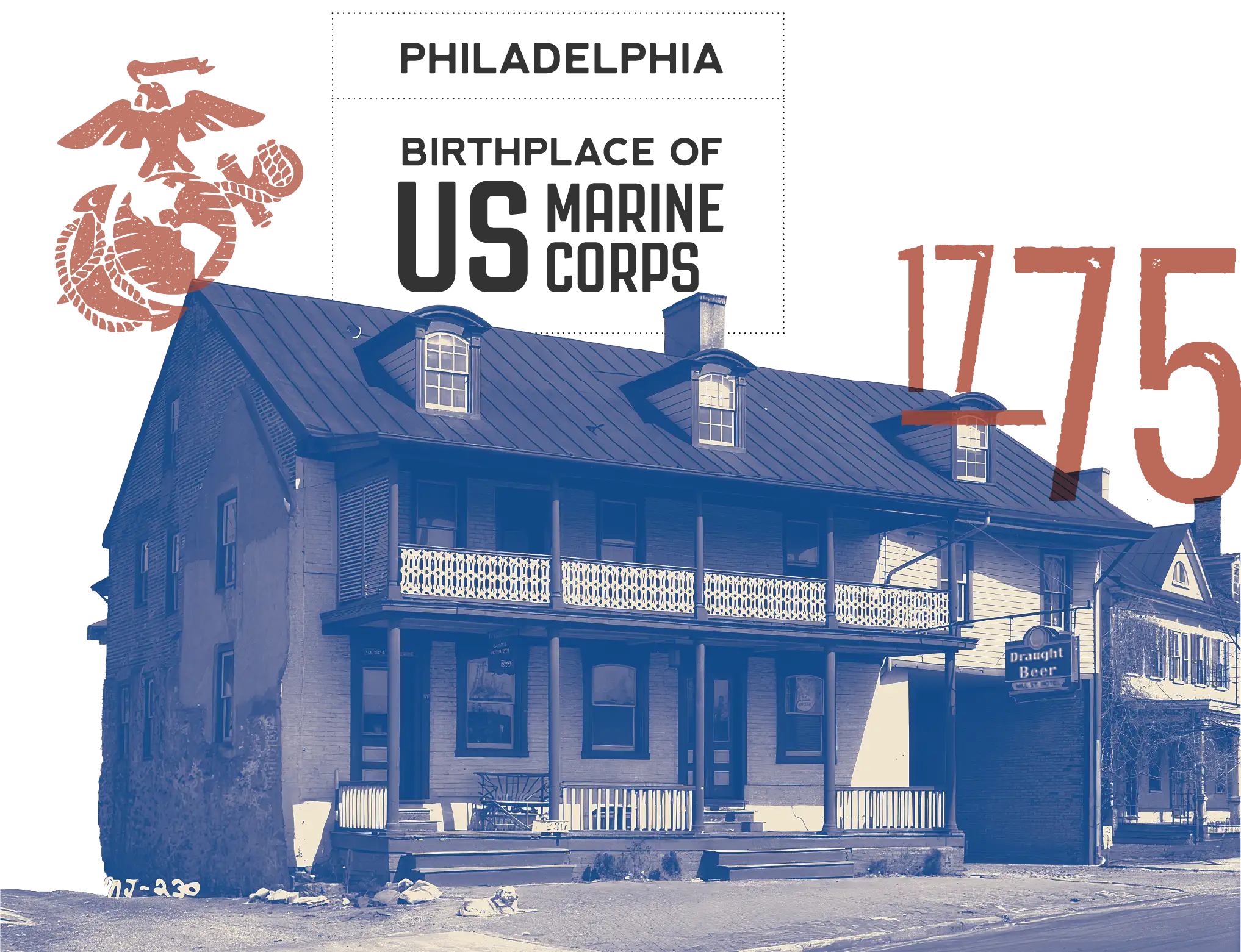
On Nov. 10, the Second Continental Congress passed a resolution at Tun Tavern in Philadelphia creating two battalions of Marines. Before the Marines, Tun Tavern was used to recruit soldiers for earlier military units, including naval forces and local militias.
On July 4, Philadelphia celebrated the Constitution's ratification with a three‑mile parade of thousands. A massive feast followed, where abundant American-made spirits and patriotic toasts turned rum, whiskey, beer and cider into symbols of the new republic's unity and pride.
The very first U.S. Congress passed the nation's earliest tariff law, which included duties on imported spirits to raise revenue after the Revolutionary War.
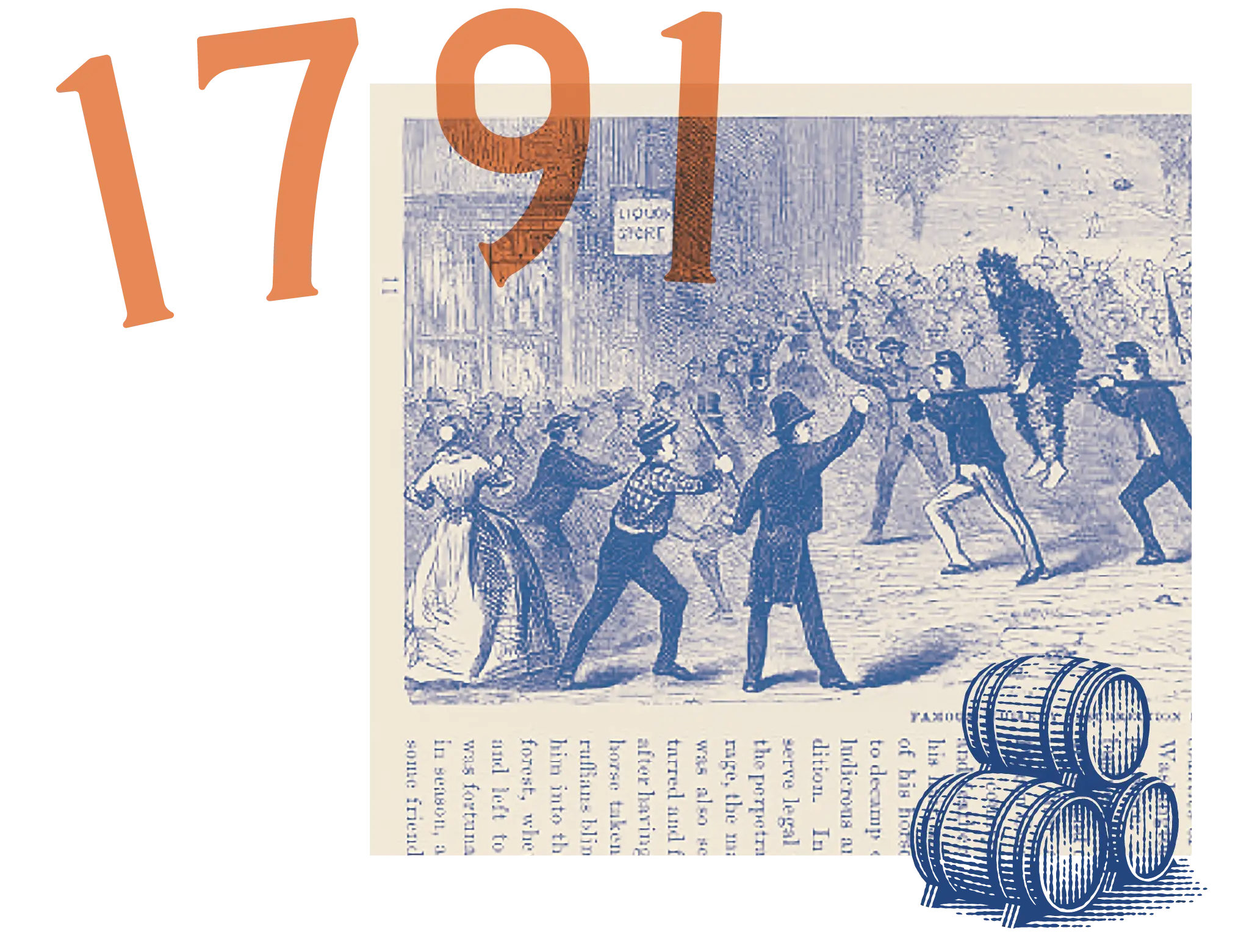
The U.S. government introduced the Whiskey Tax of 1791, which led to the Whiskey Rebellion. Protests ignited angry mobs who tarred and feathered federal revenue officials. Many distillers migrated to Kentucky and Tennessee, where federal authority was weaker and corn was plentiful.
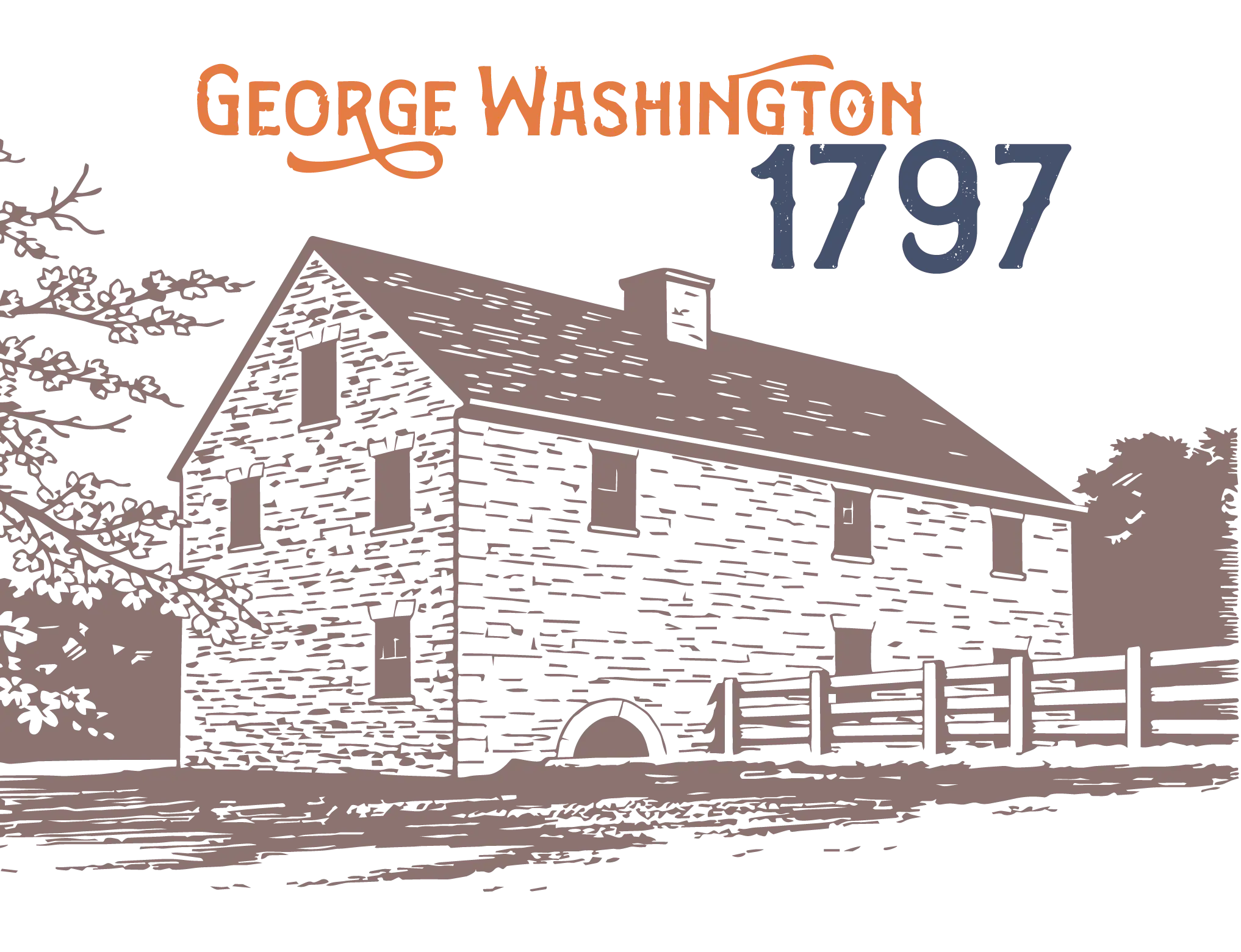
Ten years after his presidency, Washington began construction on his distillery at Mount Vernon at the suggestion of his Scottish farm manager James Anderson. Washington recorded in his weekly farm journal that carpenters began "hewing the timber for the still house." By 1799, the distillery was producing 11,000 gallons of whiskey, making it the largest distillery in colonial America.
On May 13, the word "cocktail" was first defined in print by a NY newspaper: "Cocktail is a stimulating liquor, composed of spirits of any kind, sugar, water and bitters."
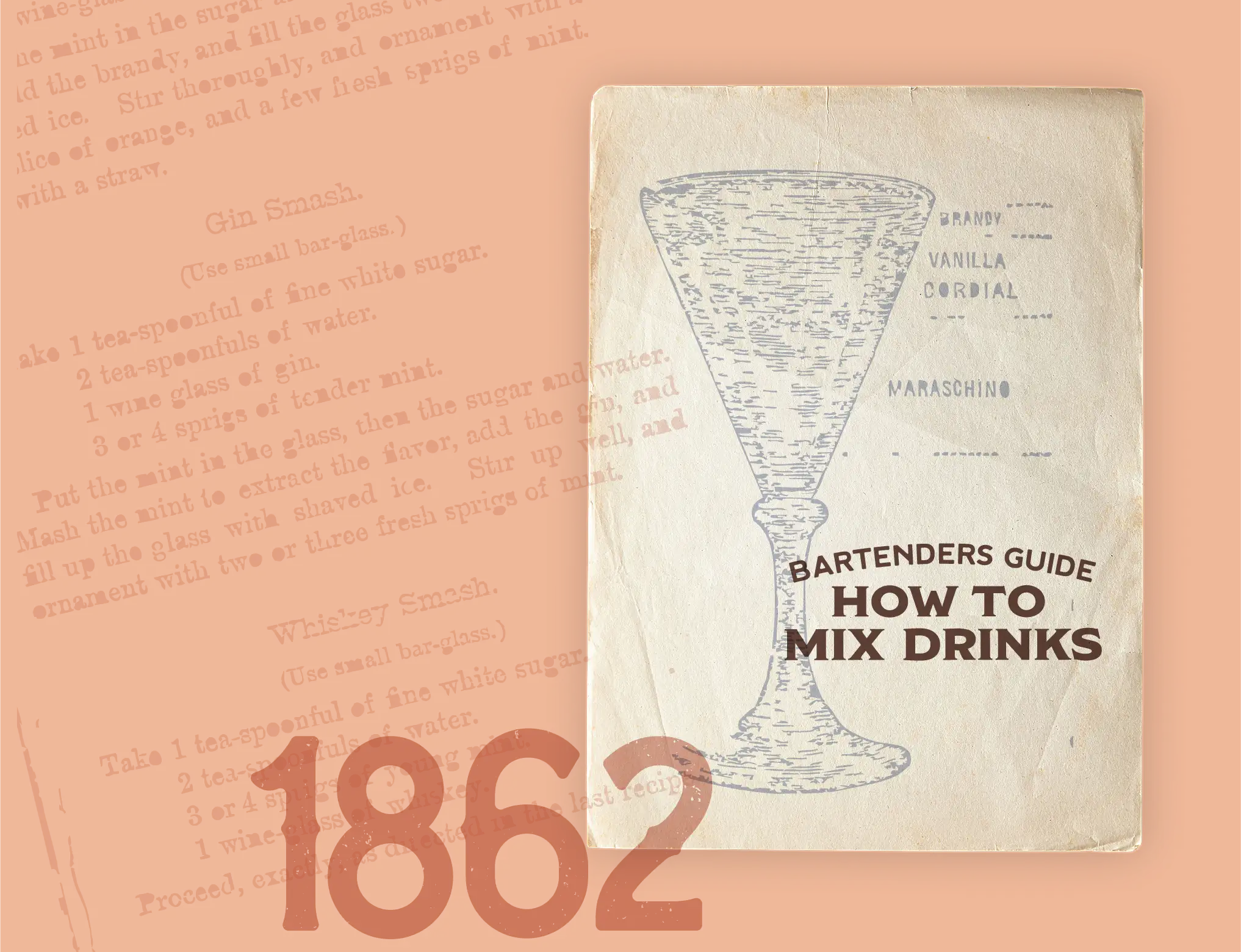
Jerry Thomas, a bartender, showman and self-proclaimed "Jupiter Olympus of the bar" published the first cocktail book: "Jerry Thomas' Bartenders Guide: How To Mix Drinks" cataloging what had long been an oral tradition. It served as a roadmap as the cocktail renaissance came into full bloom in the early 2000's and remains a bible to contemporary bartenders.
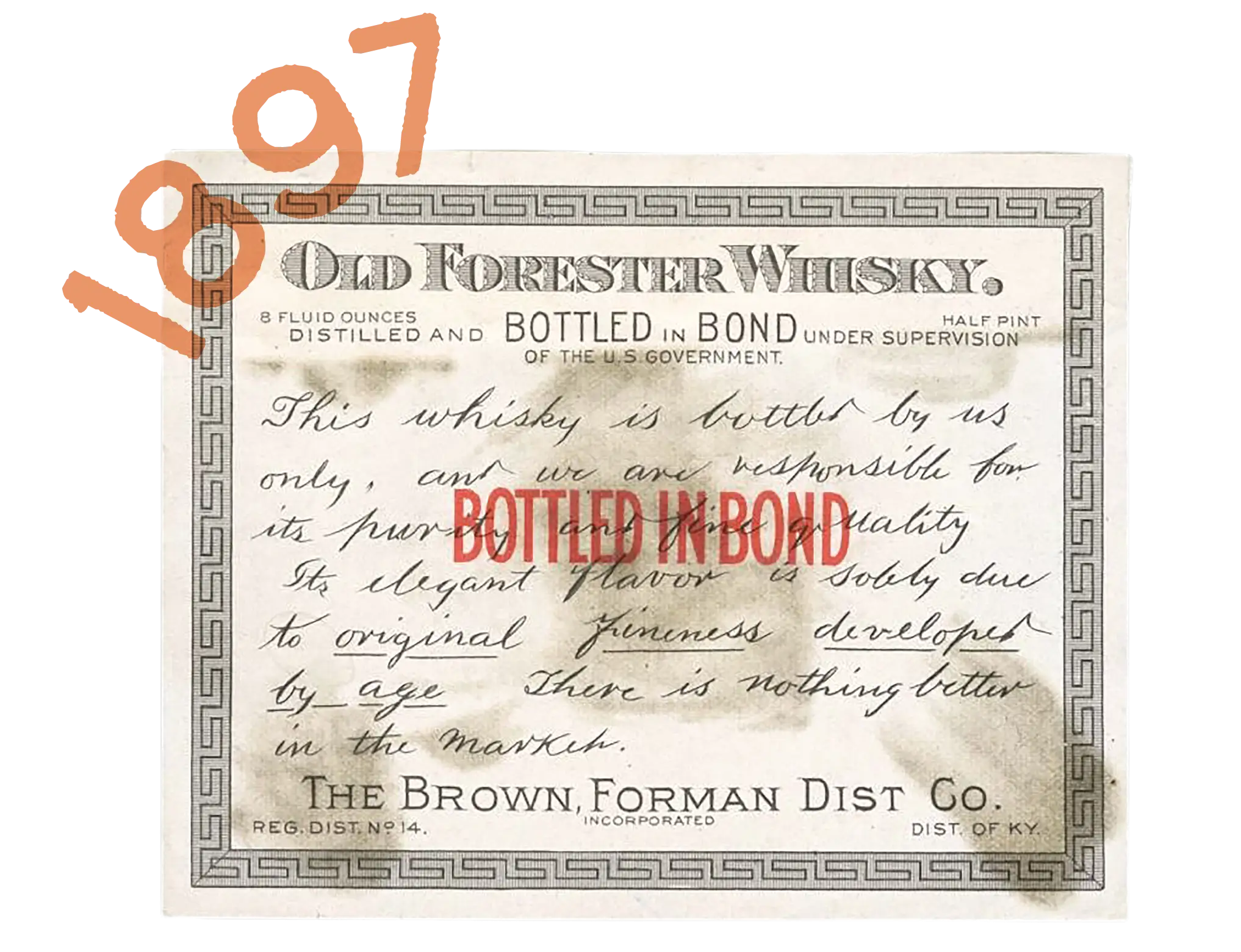
The federal government passed the Bottled-in-Bond Act of 1897 as the first major federal consumer protection law in U.S. spirits history, establishing a standard of quality and authenticity of American distilled spirits.
The Pure Food and Drug Act of 1906 protected consumers by banning adulterated spirits and requiring truthful labeling, laying the foundation for modern standards of identity in American whiskey and other distilled spirits.
This landmark decision by President William Howard Taft created the first official federal definitions for "Straight Whiskey" and "Blended Whiskey" in the U.S. The Pure Food and Drug Act required honest labeling but didn't define whiskey. Taft stepped in to create clear federal definitions that protected consumers and the integrity of American Whiskey.
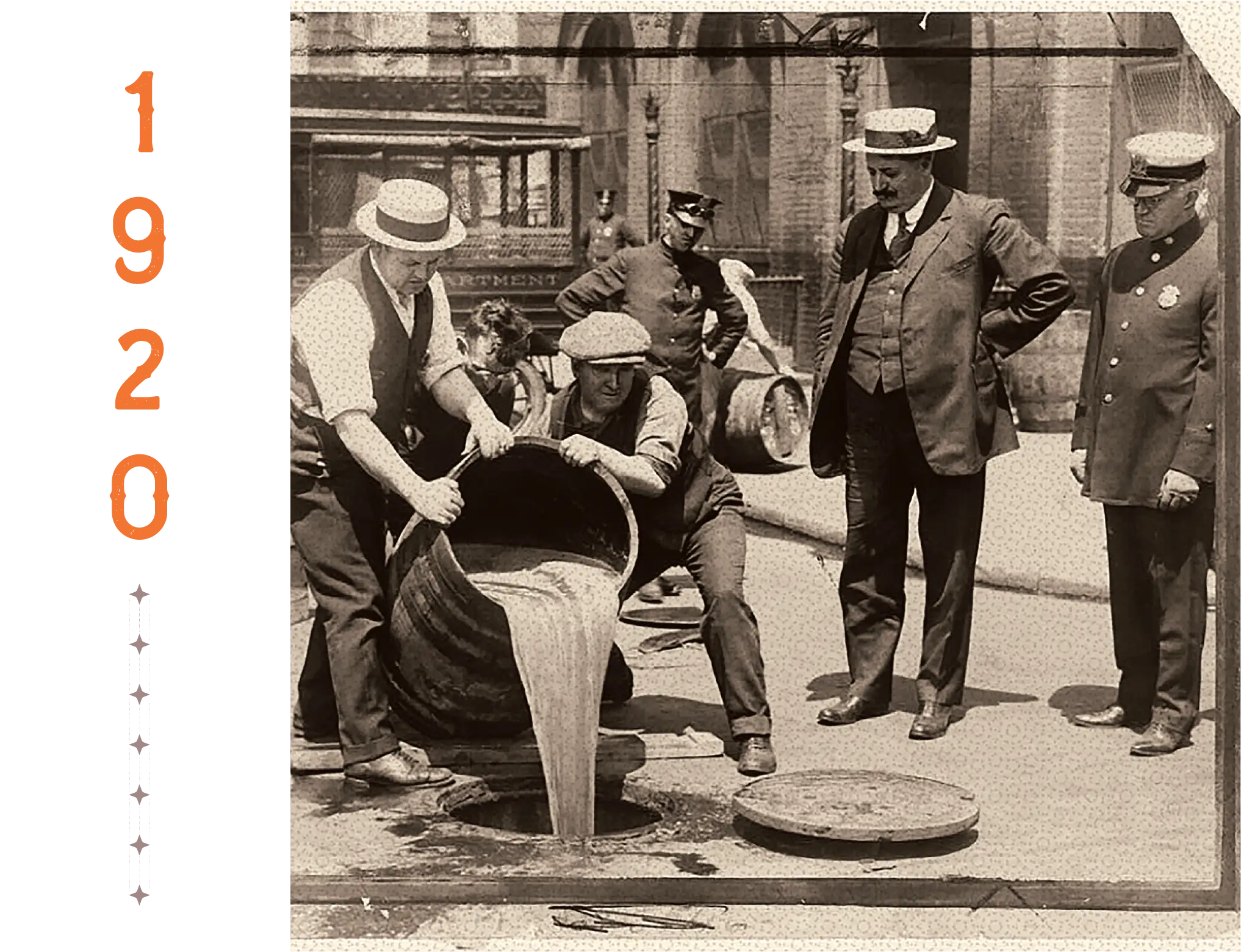
On Jan. 16, the axe-wielding teetotaler Carrie Nation got her way with the official beginning of Prohibition in the U.S. The 18th Amendment and the Volstead Act went into effect, making the manufacture, sale and transportation of alcohol beverages illegal nationwide and ushering in a transformative and turbulent era in American spirits history. Six distilleries were granted rare federal permits to keep making tightly controlled "medicinal" whiskey, while the rest of America's stills ran dry.
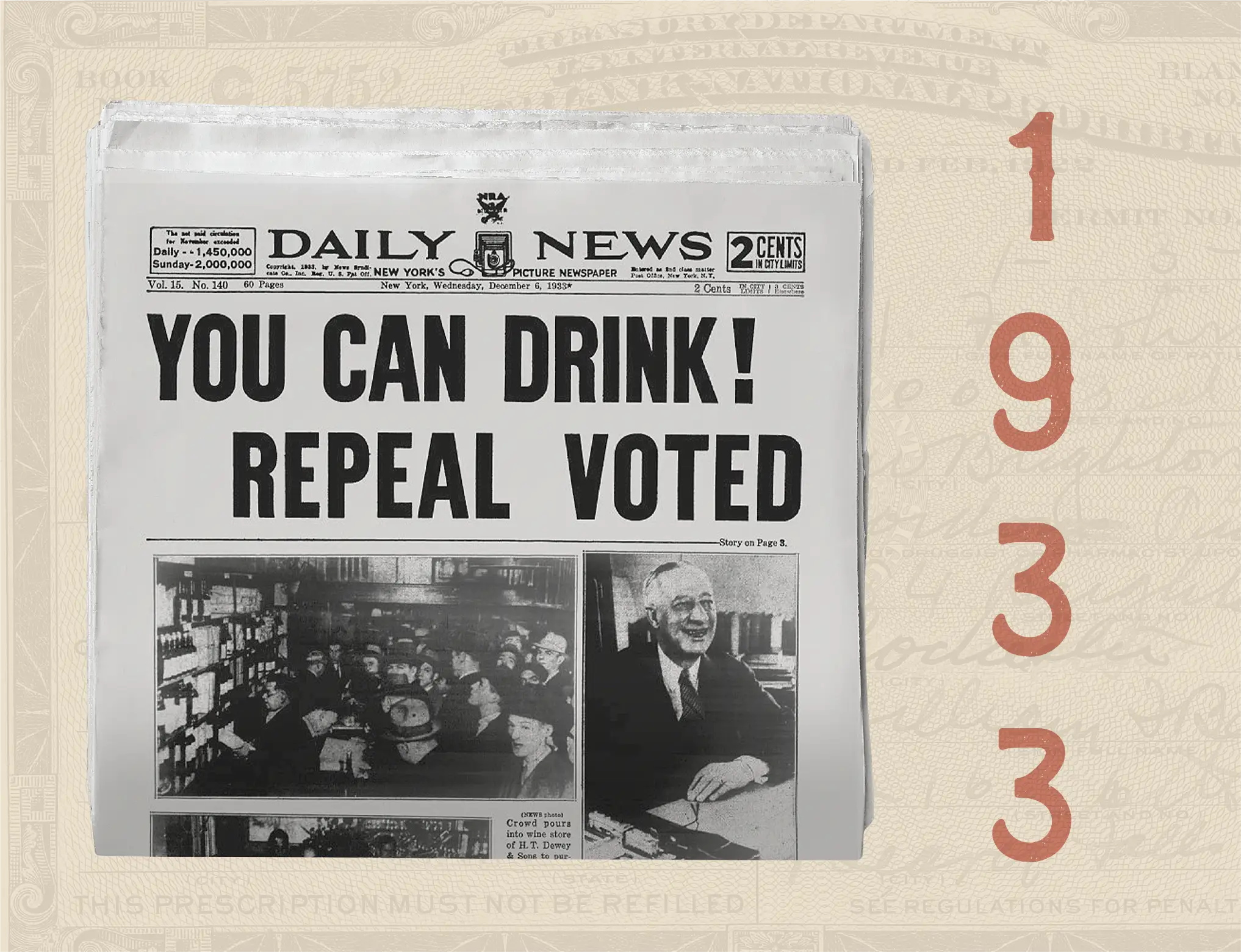
On Dec. 5, the ratification of the 21st Amendment ended over a decade of bootlegging and speakeasies, jump‑starting the revival of America's distilling industry. The "Noble Experiment," as supporters called it, sparked the rise of cocktails—mixers and sugar masking the bite of bathtub gin—and ultimately led to stricter regulation of the alcohol industry.
President Franklin D. Roosevelt created the Federal Alcohol Control Administration (FACA) in December 1933 as an emergency agency to regulate the newly re‑legalized alcohol industry after Prohibition. Established through the National Industrial Recovery Act, it became the federal government's first effort to bring order and oversight to the chaotic post‑repeal marketplace.
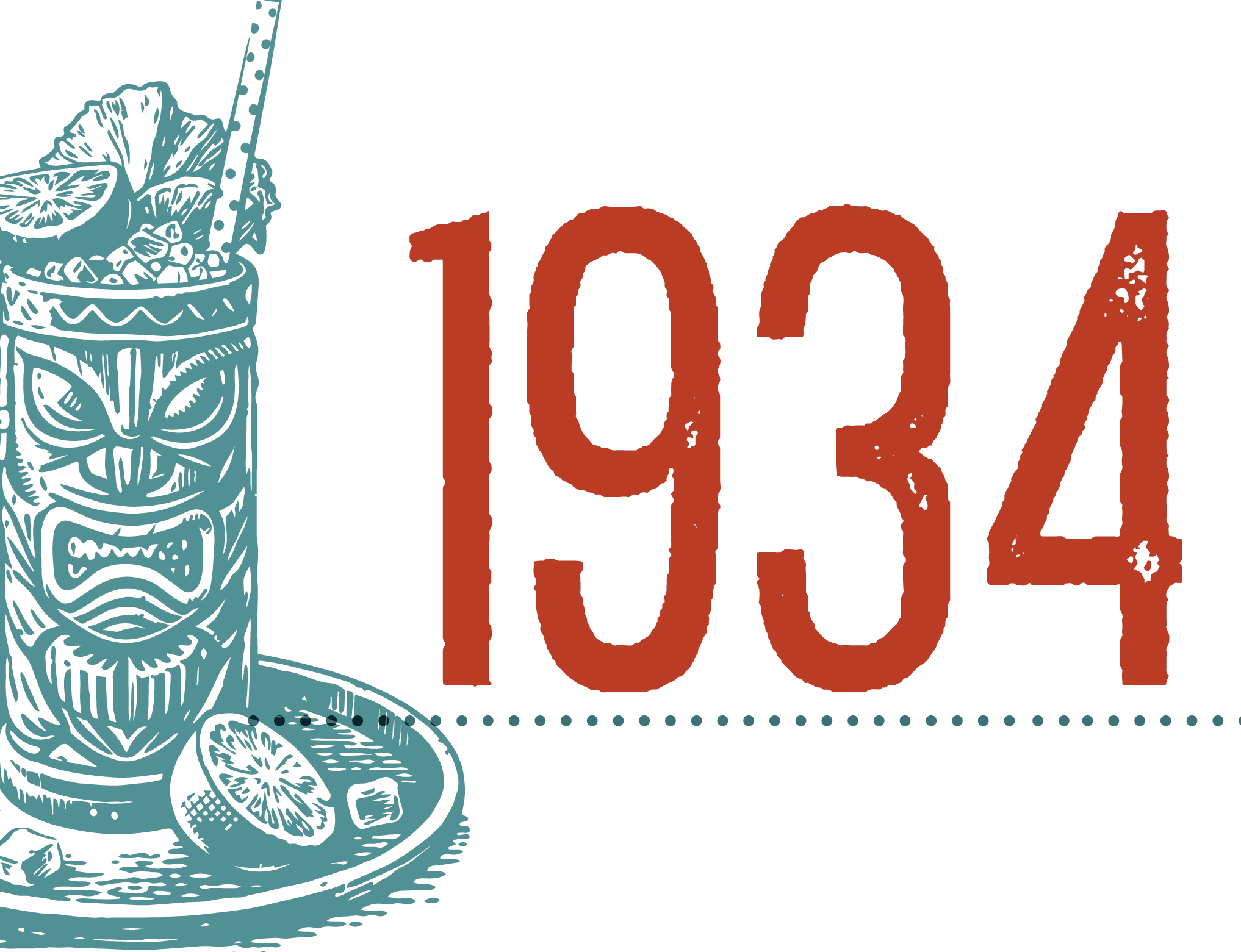
Entrepreneurial adventurer, Donn Beach, returned from travels in the Caribbean and South Pacific obsessed with the mystique of the tropics. He poured that energy into opening Don the Beachcomber in Hollywood, CA. The bar ignited the tiki movement, pairing an exotic decor of bamboo furniture and thatched roofs with secret recipes for rum‑driven elaborately garnished cocktails like the Zombie and Mai Tai that remain icons of American cocktail culture.
In the wake of Prohibition repeal, distilled spirits industry leaders recognized the need to rebuild public trust and adopted the first code of responsible conduct, as a voluntary commitment to responsible advertising. This early code laid the foundation for what later became the DISCUS Code of Responsible Practices, which still guides spirits advertising and marketing today.
The FAA Act, one of the most important and enduring pieces of post‑repeal alcohol legislation in the U.S., created the permanent federal framework for regulating the alcohol industry, replacing the temporary emergency measures Roosevelt had used immediately after Prohibition ended.
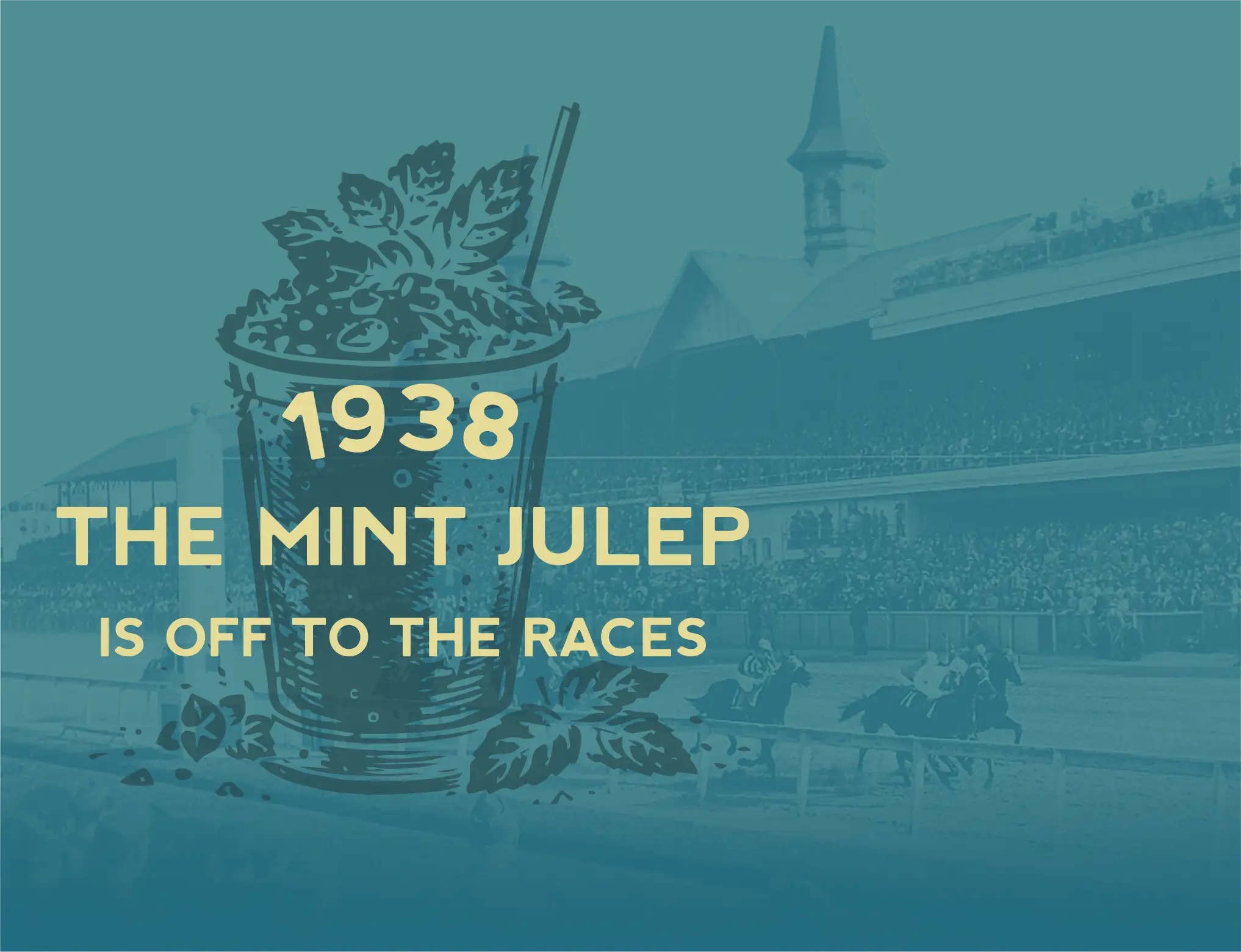
The Mint Julep is as closely associated with the Kentucky Derby as horses and feathered headwear. It's been served at Churchill Downs every first Saturday in May since 1887, but it only became the Derby's official drink in 1938. The legacy of the cocktail—muddled mint, simple syrup and Kentucky bourbon over crushed ice— goes back further than the Constitution.
Congress passed S. Con. Res. 19, formally recognizing Bourbon Whiskey as a distinctive product of the United States and laying the groundwork for its protected status and enduring place in America's cultural and historical heritage.
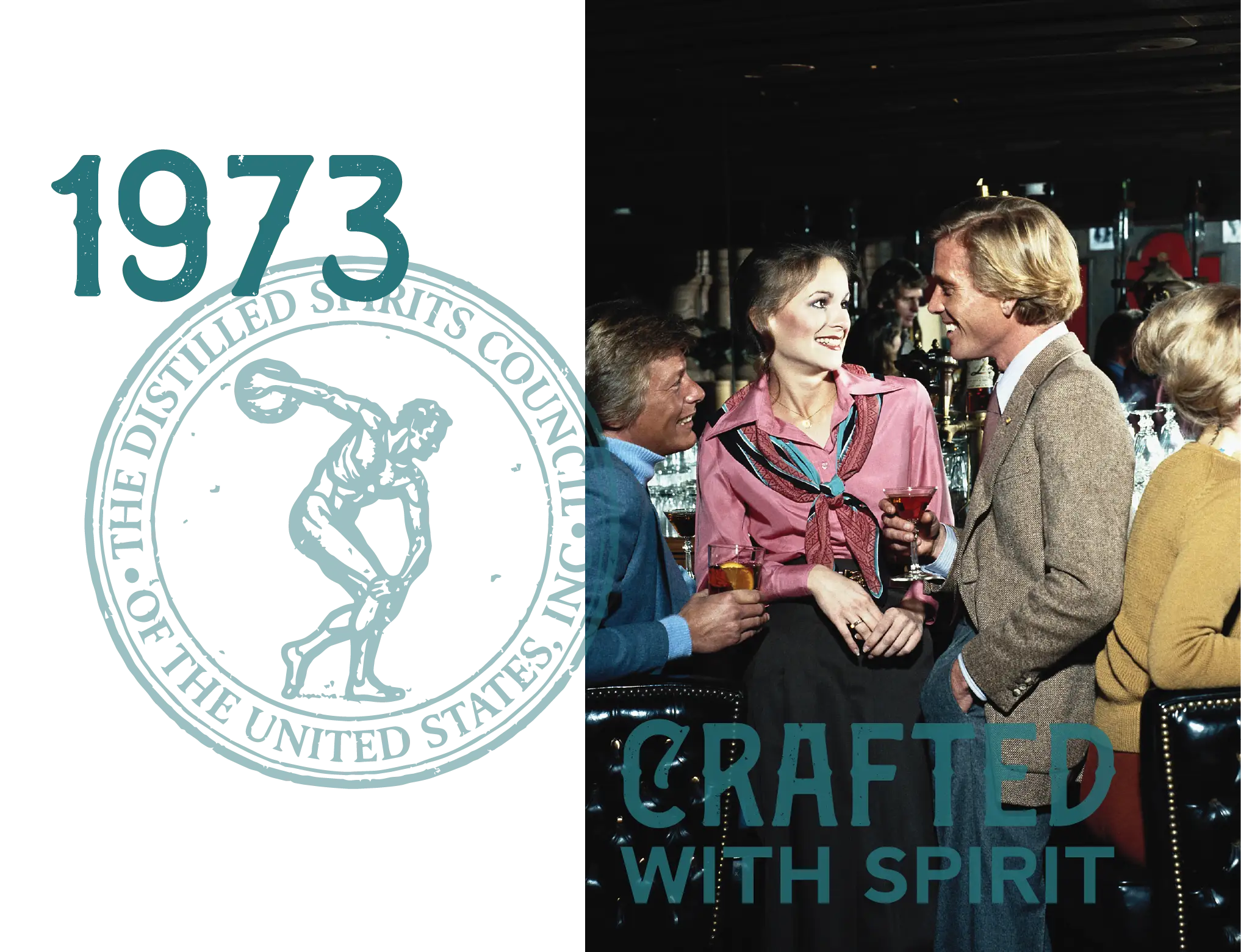
Three organizations—the Bourbon Institute, the Distilled Spirits Institute and the Licensed Beverage Industries, Inc.—merged to form the Distilled Spirits Council of the United States.
Distillers, vintners and brewers created The Century Council, a national not for profit organization dedicated to reducing drunk driving and underage drinking. The organization, now called Responsibility.org, has worked with like-minded organizations to transform countless lives through educational programs that bring individuals, families, and communities together with the belief that everyone has a seat at the table of responsibility.
NAFTA's entry into force eliminated tariffs on trilateral spirits trade and marked the first time the U.S., Canada, and Mexico mutually recognized each other's signature spirits as "distinctive products." This locked in legal protection for Bourbon and Tennessee Whiskey, Canadian Whisky, Tequila and Mezcal across all three countries, strengthening their geographic identity, preventing imitation and laying the groundwork for modern North American spirits trade.
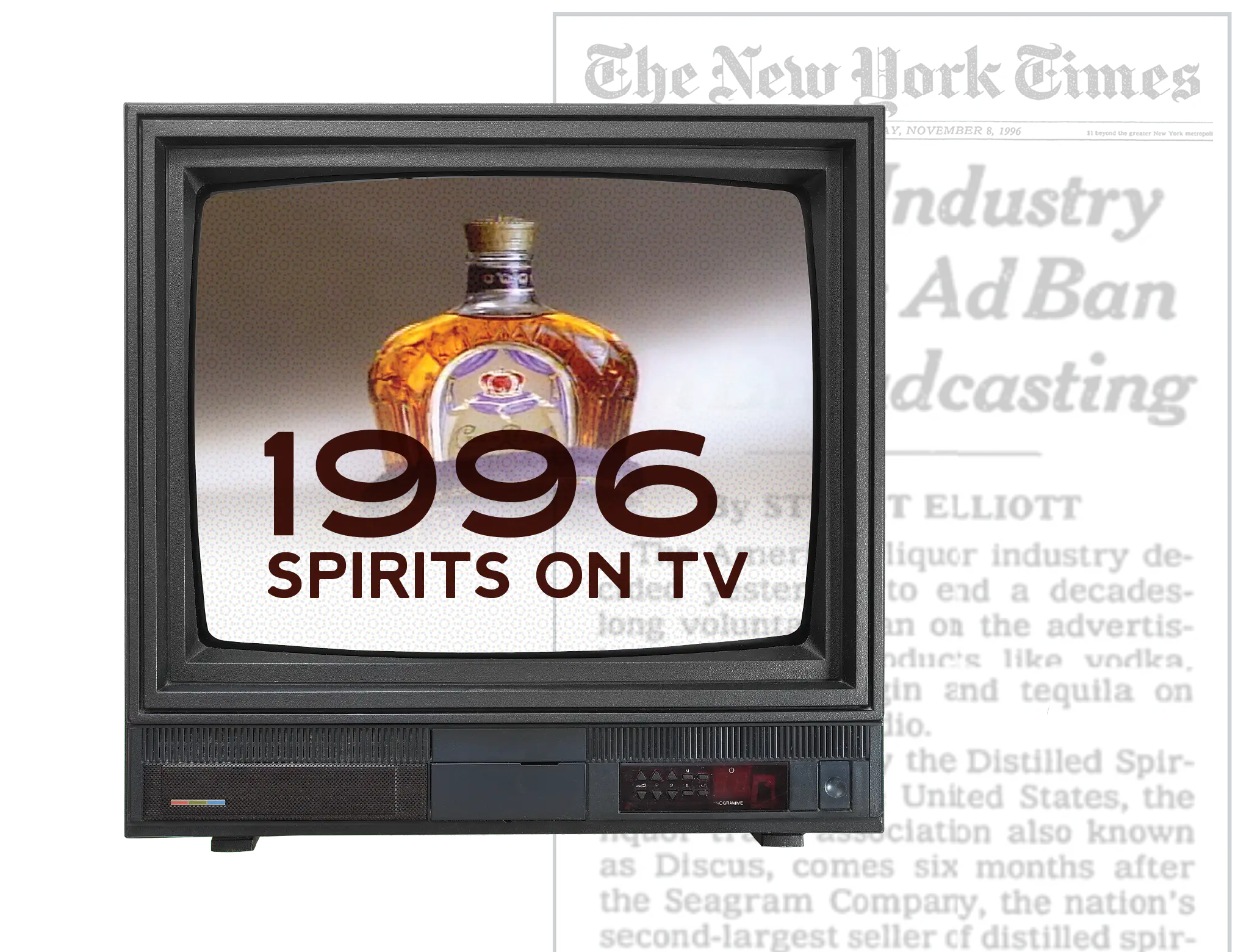
On Nov. 7, DISCUS ended the 48‑year voluntary ban on radio and television advertising, updating its "Code of Good Practice" to include broadcast media, a milestone that advanced equal treatment for spirits and marked a new era of opportunity for the industry.
The U.S. and EU implemented the "zero‑for‑zero" agreement, eliminating tariffs on almost all distilled spirits. This move opened the U.S. market to imported spirits duty‑free and did the same for U.S. spirits entering Europe, triggering a massive expansion in transatlantic spirits trade.
On Dec. 31, Sasha Petraske quietly sparked a seismic shift in American bar culture when he opened Milk & Honey on Manhattan's Lower East Side, a speakeasy-style bar defined by its unmarked door, classic cocktails, dimly lit elegance and old‑world manners. Today, speakeasy-style bars inspired by Petraske's vision can be found around the world, from Paris to Queenstown and Helsinki to Malaysia.
George Washington's Distillery triumphantly reopened to the public, bringing one of America's earliest whiskey‑making sites back to life. Funded by a $2.1 million grant from the Distilled Spirits Council, the ambitious reconstruction drew on extensive archaeological research to ensure that the historic replica could once again produce spirits exactly as it was done in the 18th century.
U.S. spirits exports surpassed $1 billion for the first time, driven by rising international demand for American whiskeys, opening of several new export markets through multiple new bilateral free trade agreements and the increasing premiumization of U.S. spirits in markets around the world.
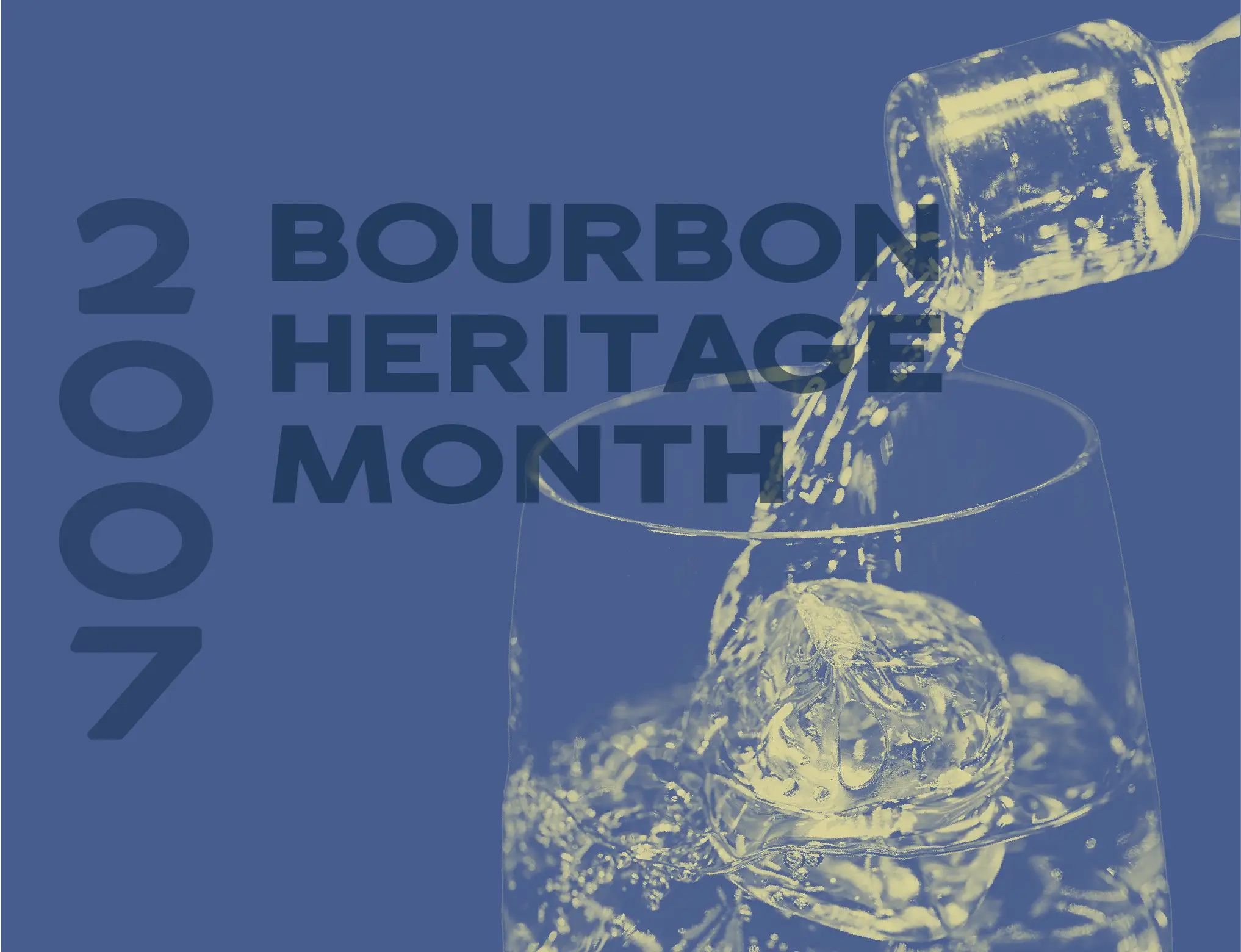
On August 2, the U.S. Senate passed a resolution introduced by Kentucky Senator Jim Bunning designating September as National Bourbon Heritage Month, celebrating the uniquely American history of the spirit.
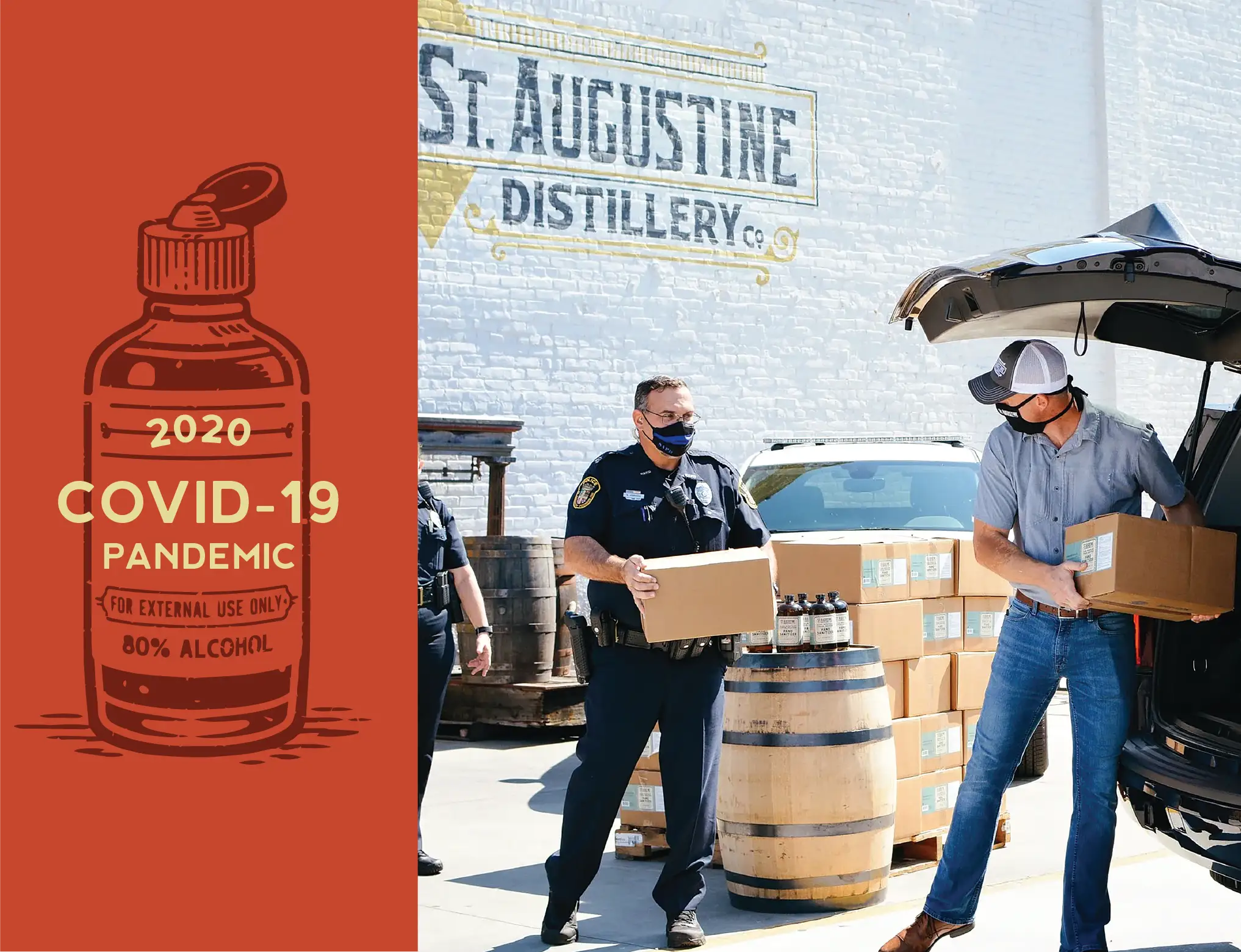
In the face of a national emergency, hundreds of distillers nationwide quickly transformed their operations to produce hand sanitizer for first responders, hospitals and their communities, helping to ease the shortage triggered by the pandemic.
On Dec. 27, President Trump signed the Craft Beverage Modernization and Tax Reform Act of 2019, delivering a historic policy win that made permanent federal excise tax relief for distillers, helping spirits producers of all sizes reinvest in equipment, jobs and innovation.
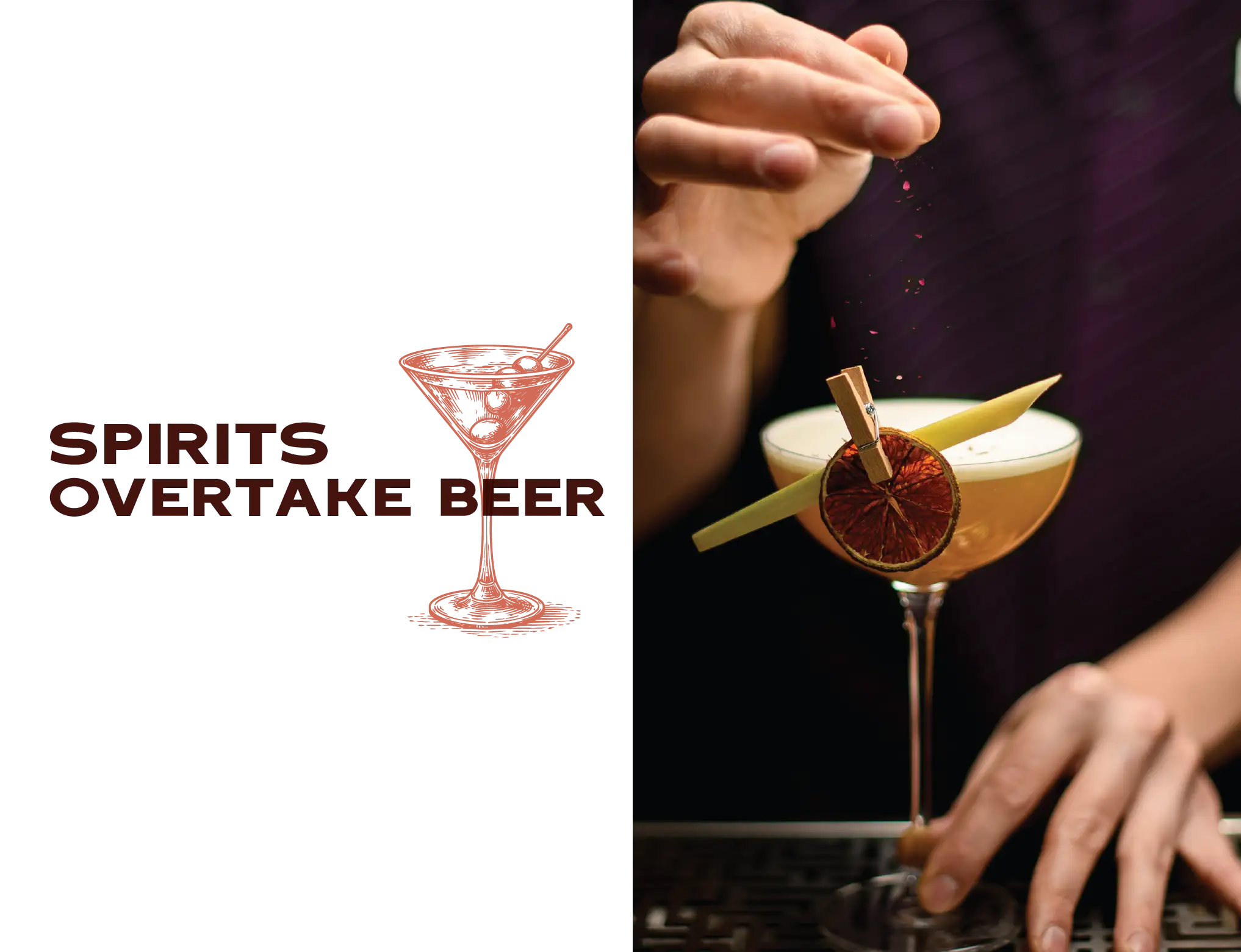
Reaching a historic milestone, U.S. spirits revenues claimed the top share of the total U.S. beverage alcohol market in 2022. This achievement reflected years of momentum fueled by consumer demand for premium spirits, innovation and a sustained push to expand market access for spirits.
U.S. spirits exports hit a record $2.4 billion in 2024, driven by the rebound of exports in key international markets following the suspension of EU and UK retaliatory tariffs imposed during two unrelated trade disputes.
The story of American spirits is the story of America itself — resilient, creative, and always moving forward. From colonial Boston to craft distilleries in all 50 states, the spirit endures.
Here's to the next 250.
Keep spirits moving forward by signing up to receive updates and ways to support the next chapter of the industry's legacy.
By signing up, you agree to receive communications from DISCUS and Spirits United.